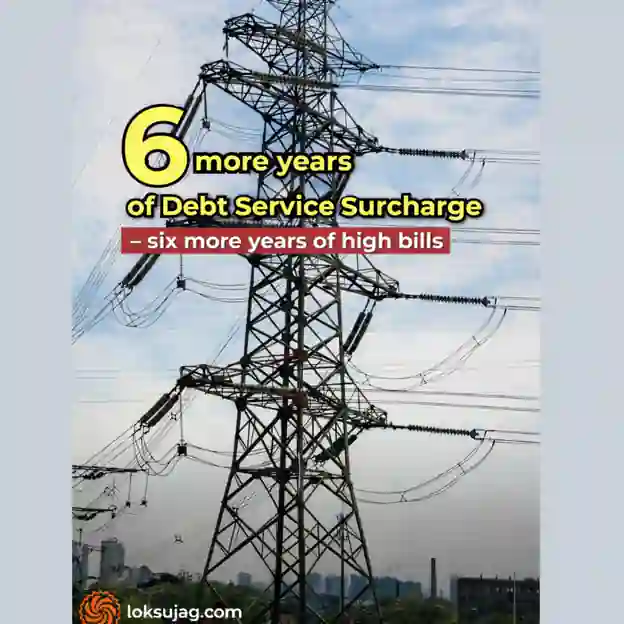
Pakistan’s power consumers are set to keep paying a Rs3.23 per unit Debt Service Surcharge (DSS) until around 2032. They are paying this surcharge, not because electricity is costly to produce but because the power sector remains trapped in chronic issues of line losses, mismanagement and electricity theft.
With circular debt exceeding Rs1.8 trillion, the burden of fixing systemic failures is being shifted to households, hitting low-income users the hardest.
Paying off debt with bill collection without any long-term planning to fix the system raises a fundamental question: how long can consumers be made to fund the inefficient power sector?
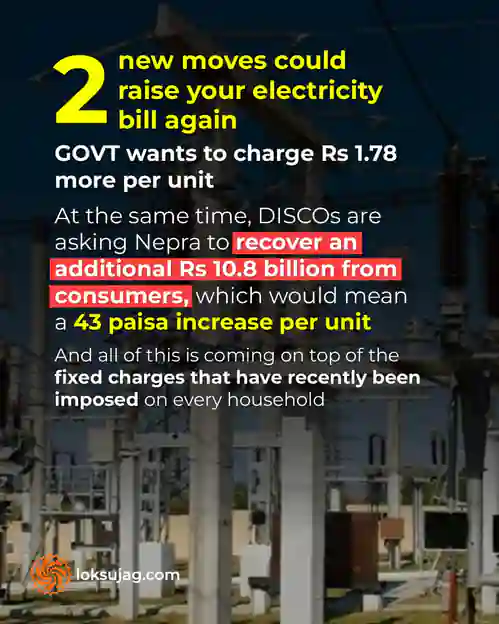
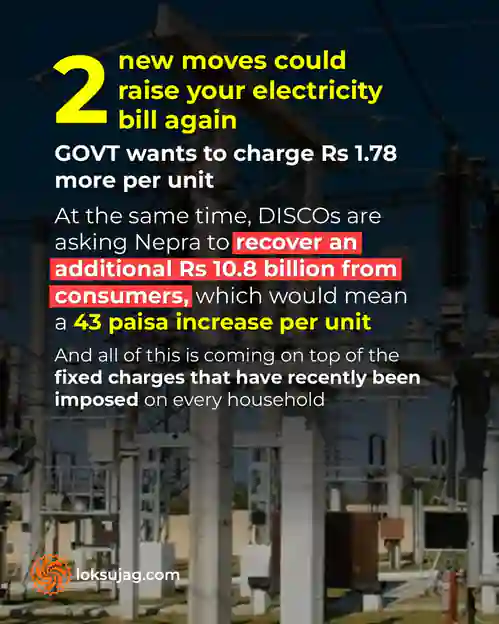
The CPPA and DISCOs have made two separate demands and, if approved by Nepra, they will increase the bill. First, a fuel adjustment tax of Rs1.78 per unit for January caused by expensive furnace oil plants being fired up when hydropower was unavailable during the canal maintenance. Instead of planning efficiently and using cheaper sources, the government has passed the cost directly onto the consumers.
Besides, DISCOs are seeking approval to recover Rs10.8 billion in quarterly adjustments. They claim discounted industrial rates have reduced the revenue and now ordinary consumers are being asked to cover the gap. This adds roughly 43 paisa per unit on top of existing fixed charges.
Together, these “adjustments” reflect a deeper problem: electricity in Pakistan has become a tool for revenue collection rather than a service. Whether fuel prices rise or fall, demand grows or shrinks, the burden is almost always shifted to households and small consumers.
It’s time to call these adjustments what they really are: a mismanagement tax that punishes the common people for systemic inefficiencies and poor planning.
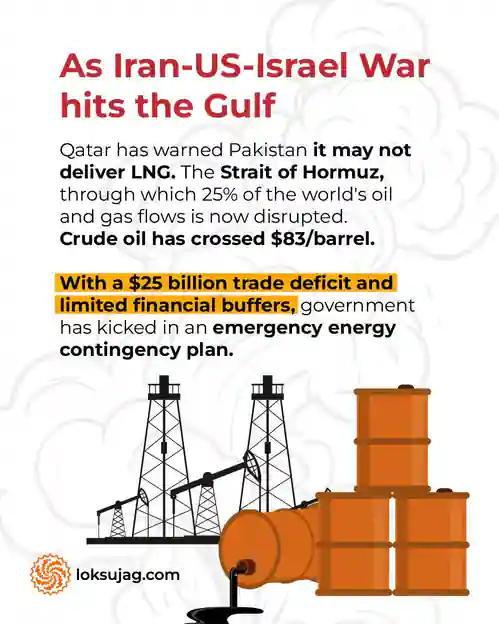
Pakistan’s energy supply is under serious threat as the Iran-US-Israel conflict disrupts key oil and gas routes across the Gulf. Qatar has warned it may not be able to deliver LNG, while crude oil prices have already crossed $83 per barrel. With a $25 billion trade deficit and limited financial buffers, the government has launched an energy contingency plan to manage potential energy shortages and rising costs.
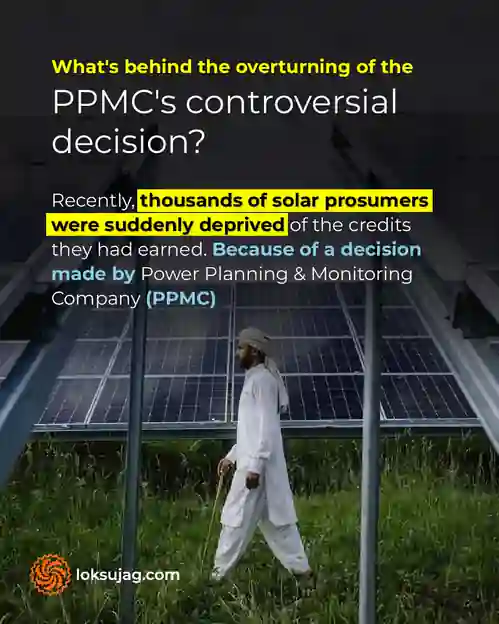
See these slides to know what happened to prosumers, the consumers who have installed rooftop solar systems for net metering. Why their credits were not counted and why this decision was reversed? These slides explain the episode.
The CPPA and DISCOs have made two separate demands and, if approved by Nepra, they will increase the bill. First, a fuel adjustment tax of Rs1.78 per unit for January caused by expensive furnace oil plants being fired up when hydropower was unavailable during the canal maintenance. Instead of planning efficiently and using cheaper sources, the government has passed the cost directly onto the consumers.
Besides, DISCOs are seeking approval to recover Rs10.8 billion in quarterly adjustments. They claim discounted industrial rates have reduced the revenue and now ordinary consumers are being asked to cover the gap. This adds roughly 43 paisa per unit on top of existing fixed charges.
Together, these “adjustments” reflect a deeper problem: electricity in Pakistan has become a tool for revenue collection rather than a service. Whether fuel prices rise or fall, demand grows or shrinks, the burden is almost always shifted to households and small consumers.
It’s time to call these adjustments what they really are: a mismanagement tax that punishes the common people for systemic inefficiencies and poor planning.